Via SunCatcherStudio.com
The official Portland–Vancouver–Hillsboro, OR–WA Metropolitan Statistical Area (MSA) encompasses seven counties across two states. While this bi-state definition serves broad economic and demographic comparisons, blending Oregon and Washington data in detailed residential appraisal analyses can introduce challenges due to differences in property tax structures—such as Oregon’s Measure 50 compression versus Washington’s levy-based system—disclosure requirements, and other statewide regulations.
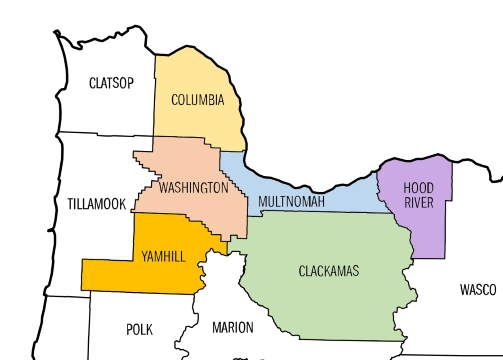
For the purposes of this blog and my primary appraisal practice, the “Portland Region” refers to a practical, Oregon-focused area consisting of six contiguous counties: Clackamas, Columbia, Hood River, Multnomah, Washington, and Yamhill. This definition prioritizes a uniform regulatory environment and granular trend analysis across interconnected housing submarkets I examine in greatest depth.
Hood River County’s inclusion, despite its absence from the official MSA, recognizes strong market linkages through the Columbia River Gorge commute shed and recreational demand.
Comparison: Official MSA vs. Portland Appraisal Blog Definition
| Aspect | Official Portland–Vancouver–Hillsboro MSA | Portland Region (Portland Appraisal Blog) |
|---|---|---|
| Counties Included | 7 (5 Oregon + Clark and Skamania, WA) | 6 (Clackamas, Columbia, Hood River, Multnomah, Washington, Yamhill—all Oregon) |
| Hood River County | Not included | Included due to Gorge market integration |
| Washington State Counties | Clark and Skamania | Excluded from primary analyses |
| Primary Focus | Bi-state metro (~2.54 million residents) | Oregon residential market with consistent data and regulations |
Quick-Reference County Overview
| County | County Seat | Population (July 1, 2024 est.) | Key Economic Drivers |
|---|---|---|---|
| Clackamas | Oregon City | 425,857 | Suburban growth, recreation, manufacturing |
| Columbia | St. Helens | 54,063 | Rural residential, river proximity, industry |
| Hood River | Hood River | 23,764 | Tourism, agriculture, recreation |
| Multnomah | Portland | 795,897 | Urban core, diverse services |
| Washington | Hillsboro | 611,272 | High-tech, suburban family demand |
| Yamhill | McMinnville | 110,886 | Wine industry, agriculture |
| Total | — | 2,021,739 | — |
Source: U.S. Census Bureau Vintage 2024 population estimates.
Clackamas County
Via Canva Pro
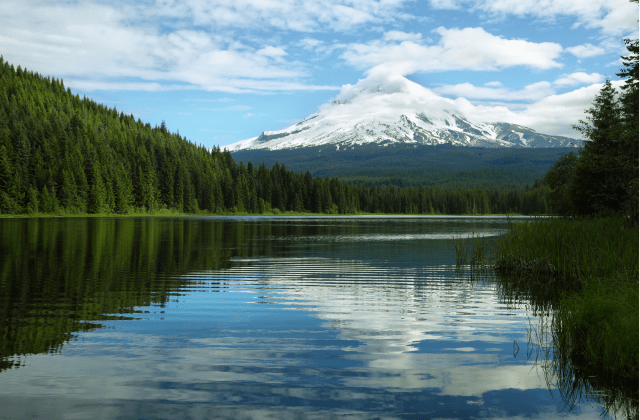
Clackamas County, the third-most populous in Oregon, stretches from Portland’s southern suburbs to the western slopes of Mt. Hood. Its diverse geography includes dense suburban neighborhoods in cities such as Lake Oswego, Happy Valley, and Oregon City, transitioning to rural and recreational properties near Government Camp and the Clackamas River corridor.
Proximity to Mt. Hood National Forest drives significant value premiums for properties with unobstructed views or direct access to skiing, hiking, and lakes—factors that frequently require careful adjustment in comparable selection and reconciliation. Higher-elevation submarkets often exhibit stronger demand for second-home and lifestyle buyers, while lower areas benefit from commute convenience to Portland and Washington County employment centers.
A slightly higher share of residents aged 65 and over contributes to steady interest in accessible, single-level, and retirement-oriented homes.
Columbia County
Via Wikimedia Commons
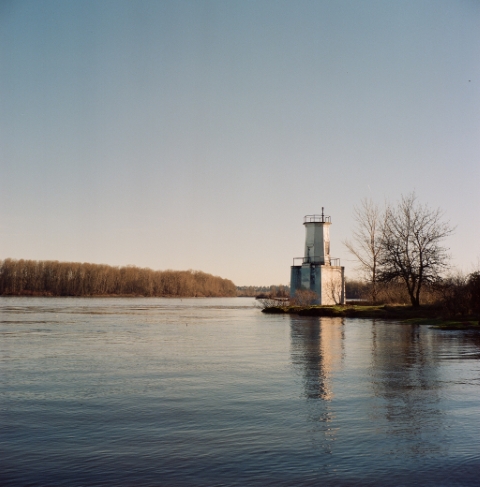
Columbia County offers a predominantly rural residential character along the northern Columbia River corridor. Communities such as St. Helens, Scappoose, and Rainier feature a mix of historic homes, farmland-adjacent properties, and riverfront parcels. Sauvie Island, shared partially with Multnomah County, provides additional natural recreation areas.
River proximity contributes both premiums—for scenic views and water access—and challenges, including floodplain designations that affect insurability and highest-and-best-use analysis. Industrial and port activity near the river can introduce external obsolescence considerations in nearby residential sales.
The county’s higher proportion of residents aged 65 and over supports demand for modest, low-maintenance rural homes with acreage.
Hood River County

Via Wikimedia Commons
Hood River County, the smallest by population among the six, is defined by the dramatic Columbia River Gorge landscape. The city of Hood River serves as a hub for wind sports, fruit orchards, and tourism, while surrounding areas feature vineyard estates and view-oriented properties.
Unobstructed Mt. Hood and Gorge views command substantial market premiums, often requiring careful comparable selection across lifestyle and second-home segments. Remote-work trends have strengthened ties to the broader Portland market, expanding the effective buyer pool.
Multnomah County
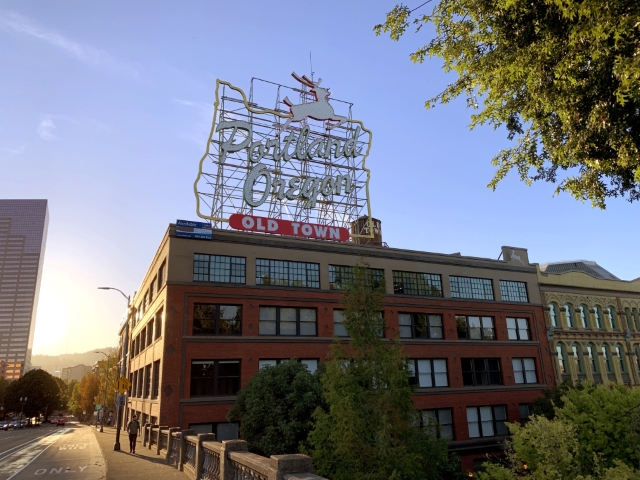
Photo: Abdur Abdul-Malik, Portland Appraisal Blog (CC BY-SA 4.0)
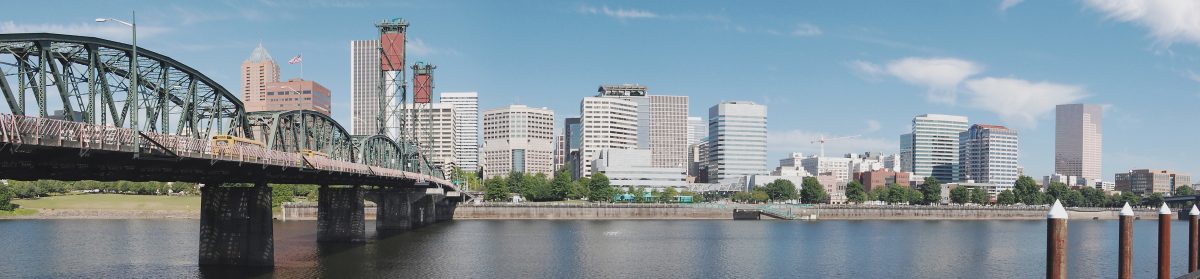
Multnomah County forms the urban heart of the region, encompassing the city of Portland and inner suburbs such as Gresham. Housing stock ranges from historic craftsman and Victorian homes to high-density condominiums and modern infill developments.
Diverse submarkets—from downtown view condos to eastside neighborhoods—present frequent reconciliation challenges due to rapid style, condition, and location variances. A younger demographic, with the lowest share of residents aged 65 and over, drives strong demand for urban amenities and transit-oriented properties.
Washington County
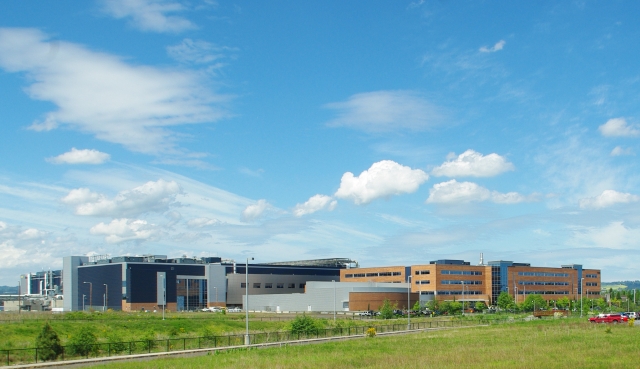
Via Wikimedia Commons
Washington County has emerged as Oregon’s fastest-growing tech corridor, anchored by Intel, Nike, and numerous semiconductor firms in Hillsboro and Beaverton. Suburban communities such as Tualatin, Tigard, and Aloha offer family-oriented neighborhoods with strong school districts.
Proximity to major employers supports elevated demand and pricing for modern, larger homes suitable for tech-sector families. The county’s youngest demographic profile and highest median income reflect this employment base.
Yamhill County
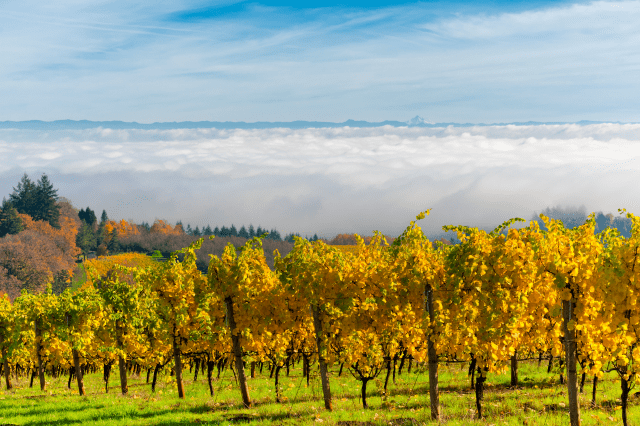
Via Canva Pro
Yamhill County is renowned for its rolling hills and thriving wine industry centered around McMinnville, Newberg, and Dundee. Properties often blend agricultural land with high-end rural residences and vineyard estates.
Transitions between active farmland and residential use require careful highest-and-best-use analysis, while scenic views—occasionally including distant Mt. Hood—add measurable premiums. A balanced age distribution supports both family and retirement demand.
Sources & Further Reading
- Portland-Vancouver-Hillsboro, OR-WA (MSA): Bi-state MSA population time series (FRED)
- Population estimates 2020–2024 for Oregon counties: U.S. Census Bureau Vintage 2024
- Clackamas County QuickFacts: U.S. Census Bureau
- Columbia County QuickFacts: U.S. Census Bureau
- Hood River County QuickFacts: U.S. Census Bureau
- Multnomah County QuickFacts: U.S. Census Bureau
- Washington County QuickFacts: U.S. Census Bureau
- Yamhill County QuickFacts: U.S. Census Bureau
Contact
Need a custom appraisal or deeper analysis for your Portland-Vancouver transaction? Contact Portland Appraisal Blog for institutional-grade reports tailored to agents, attorneys, investors, and homeowners.
 Portland Appraisal Blog

.jpg)

